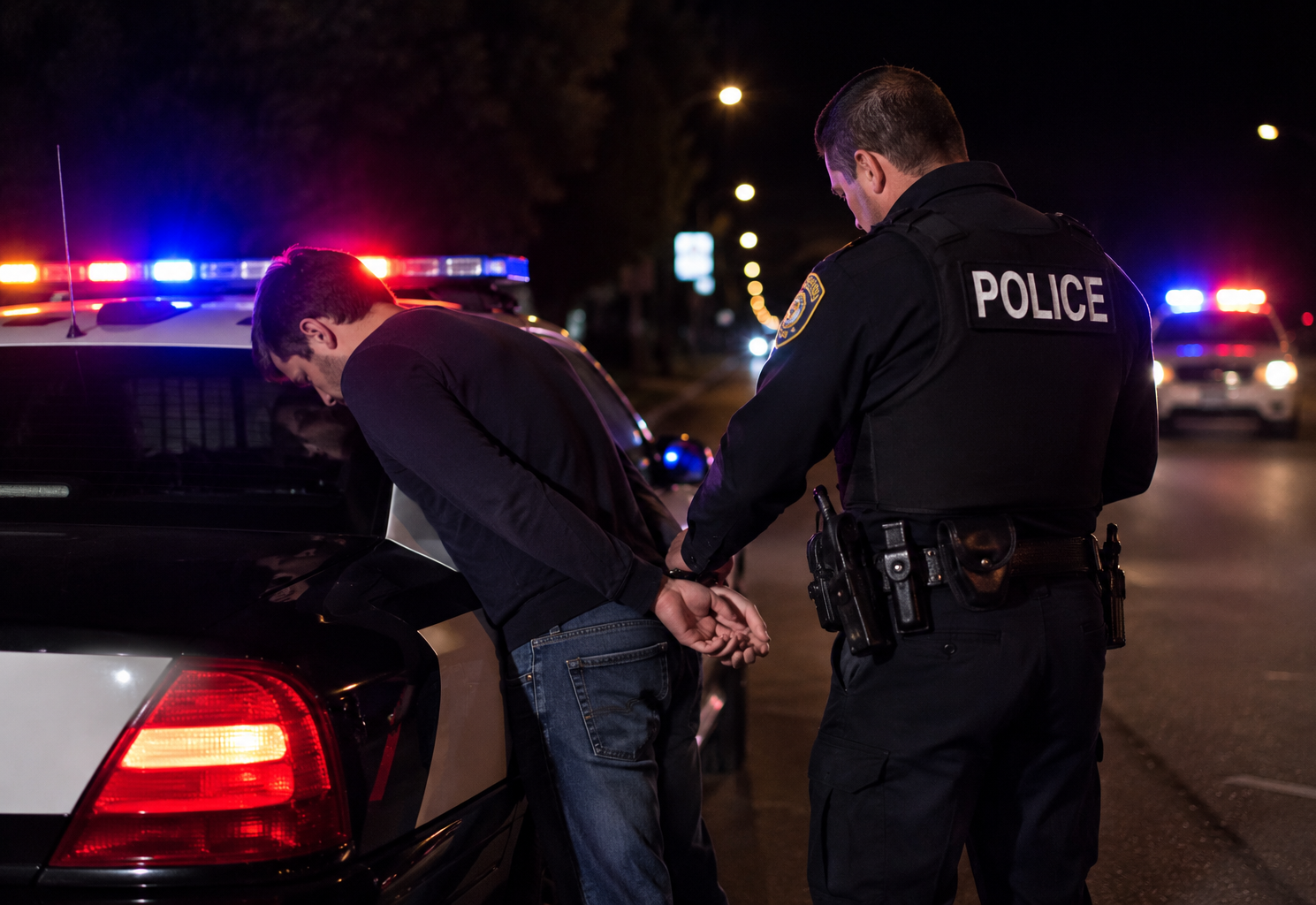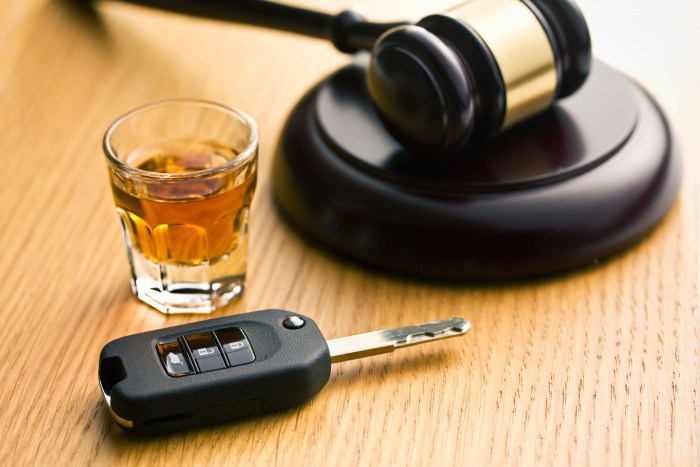

Most Utahns think that you have to be caught by police actually driving in order to be charged with DUI. However, Utah law states that you can be charged with DUI for driving, or just being in “actual physical control” of a vehicle.
This difference becomes very significant if you are found sitting in or asleep in your parked car under the influence of alcohol or drugs.
>Learn what “actual physical control” means under Utah law and how it could affect you if you are charged with DUI.
What Does “Actual Physical Control” Mean in Utah?
Utah DUI defense often begins with understanding what “actual physical control” means. According to Utah Code § 41-6a-502, a person commits DUI if he or she drives or is in actual physical control of a vehicle while:
Under the influence of alcohol or drugs or combined influence of alcohol and drugs; or
while having a prohibited blood alcohol concentration or an unsafe blood alcohol concentration.
Put simply, prosecutors do not necessarily need to prove that a vehicle was in motion. Utah’s DUI law reaches situations where a person has enough control over a vehicle, even if police never actually saw the driver operating it.
Utah law assesses actual physical control on a case-by-case basis. This means that all of the facts are analyzed together. No single factor will decide the issue.
Can I Be Charged with DUI While in a Parked Car?

Possibly. Say a police officer responds to a report of a drunk person sleeping in his car. When the officer arrives, he finds the person sitting in the driver’s seat with the keys in his pocket. Whether this constitutes actual physical control of the vehicle depends on the circumstances.
In Utah, a person does not need to be driving in order to be charged with DUI. If he or she is in actual physical control of a vehicle, that may be sufficient.
Some circumstances that may become relevant include:
- Whether you were sitting in the driver’s seat
- Whether the vehicle’s engine was running
- Where the keys were located
- Whether you were awake or asleep
- How and where was the car parked?
- Is there proof you operated the vehicle earlier?
- Were you capable of immediately operating the vehicle?
None of these facts alone will make or break your situation. Context of the encounter matters.
What If You Were Sleeping in the Car?
See why this is where Utah’s definition of actual physical control really matters.
Under current Utah law, there is an exclusion from the definition of actual physical control if a person can show that all of the following circumstances exist: The person was asleep inside of the vehicle; was not in the driver’s seat; the engine was not running; the vehicle was lawfully parked; and the totality of the facts show that the person did not drive while under the influence to that location.
So, just because you say, “I was sitting or sleeping in the car”, doesn’t necessarily mean you can’t be charged with DUI.
It could depend on whether you were asleep at the wheel with the engine on or in the back seat of a legally parked car with the engine off.
Does It Matter Where the Keys Are?
The location of the vehicle’s keys could be one factor in the overall analysis.
If the keys are in the ignition, in your hand, or easily accessible to you, this could be used to argue that you were in a position to operate the vehicle. However, if the keys are in a location that is not easily accessible to you, this could help show that you did not have immediate control of the vehicle.
But remember, the location of the keys is not the only factor. Every factor of Utah’s actual physical control analysis is considered.
Does the Engine Have to Be Running?
No. Actual physical control is a fact-specific inquiry and a running engine is only one piece of evidence that can be used to prove actual physical control. An officer does not need your vehicle to be moving—or even running—to investigate or arrest you for DUI involving actual physical control.
Utah law recognizes that actual physical control may occur in situations other than a driver being caught behind the wheel on the road traveling from Point A to Point B.
That being said, whether or not the engine was running is one factor that can become important evidence in determining if the statutory exclusion from actual physical control applies to your case.
What I Was Trying to Sleep it Off?

Deciding not to drive after drinking alcohol is always the responsible choice. However, the location of where you sleep and the condition your vehicle is in can cause legal problems.
In fact, Utah’s statutory exclusion could play a significant role in these types of situations. Someone who is found sleeping away from the driver’s seat with the engine off and vehicle parked will likely be in a much different legal position than someone who is found asleep while sitting in the driver’s seat with the vehicle running.
As you can see, the details matter. If the police believe that evidence exists showing you drove the vehicle to its location while impaired, that can impact your case as well, even if you were asleep when they arrived.
Can Police Charge You Even if They Never Saw You Drive?
Yes. Getting charged with DUI doesn’t mean you will ultimately be found guilty. Search for “actual physical control DUI Utah.” You’ll find a bunch of information relating to this topic.
Police can arrest you based on what they find during an investigation. The prosecutor must prove elements of Utah’s DUI law.
Evidence considered in these cases might include:
- Statements made to police
- Witness testimony
- Surveillance or security footage
- The location of the vehicle
- The position of the driver
- Whether the engine was running
- The location of the keys
- Physical evidence indicating that the vehicle had recently been driven
- Breath, blood, or field sobriety test evidence
Since many of these cases turn on circumstantial evidence, analyzing what happened leading up to and during the police interaction can help.
Utah’s DUI Legal Limit is Lower Than Most States
Utah has a lower legal limit than most states. Utah Code § 41-6a-502 makes it illegal to drive or be in actual physical control of a vehicle when you have a blood or breath alcohol concentration of “0.05 grams or greater at the time the test is performed…” It also prohibits driving with alcohol or drugs that impair your ability to safely drive.
This is why it’s crucial for Utah drivers to know that DUI doesn’t just apply to driving down the road with your windows down and lights flashing.
Can an Actual Physical Control DUI Be Defended?
Sometimes DUI charges are filed for people who have violated Utah’s actual physical control law even though they were not driving. Depending on the circumstances of your case, there may be a number of defenses available for your attorney to review.
For example, an attorney may examine whether the prosecution can actually establish that you were in actual physical control of the vehicle. Was the engine on? Where were the keys? Was the vehicle parked in a legal location? Had you been driving while intoxicated? All of these factors could come into play when determining if actual physical control was established.
Actual Physical Control is only one issue that needs to be addressed with a DUI charge. Your attorney will also want to look at the legality of the initial police encounter, field sobriety testing, chemical testing and whether or not there is enough evidence to prove you were impaired.
>Every situation is unique so the possible defenses to your DUI charge will vary depending on the circumstances and evidence of your particular case.
Facing a DUI Charge in Utah?
If you recently have been arrested for DUI, you might be confused about how this happened. After all, you thought you had to be driving to receive a DUI charge. Think again. Utah law has a provision known as “actual physical control,” which broadens the scope of DUI.
Have you been charged with DUI in Utah? Contact a knowledgeable criminal defense lawyer who can explain how Utah’s DUI laws apply to your case. At Larsen, Larsen, Nash & Larsen, we can go over the facts of your arrest and help you decide how you want to proceed. Call Larsen, Larsen, Nash & Larsen at (801) 964-1200 to speak with a skilled Utah DUI attorney, or contact us online today.